

Tag Archives: fallboard

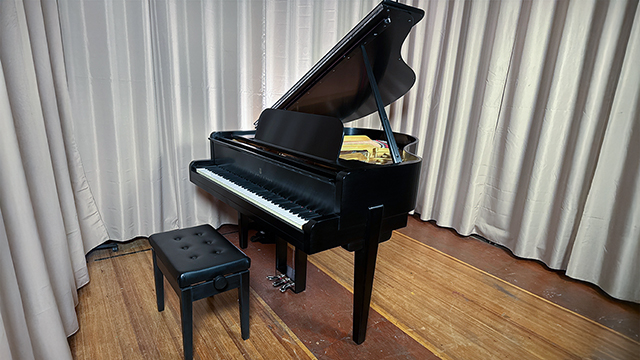
Should You Close the Fallboard on Your Piano?

Nearly every piano has a fallboard and you might assume that if it’s there it should be used. Should you close the fallboard on your piano when you’re not playing it?

There are certain instances when the fallboard can be useful to keep people from playing the instrument. If you have a piano in a restaurant or hotel that you don’t want random people playing, you can close the fallboard and the lid and lock the piano (if your piano has a lock). If you have a piano in your home that you don’t want children playing around with this can also be useful.

When it comes to institutional use, the locks on pianos do very little to protect them because they can be easily pried open. That’s why there are much more secure locks available to prevent people from getting inside pianos

The practical use of fallboards is to prevent dust from collecting on the keys of pianos. Playing a piano with dirty keys feels awful! However, dust will still collect on the fallboard and you will have to dust the fallboard. With delicate satin finishes, this can be more challenging than dusting the keys.

The biggest issue when it comes to closing the fallboard is whether or not you have ivory or plastic key tops.

When I was a child growing up, my father Morton Estrin would always leave his fallboards open on his pianos and I once asked him about this. He explained to me that the ivory keys on pianos will yellow if not exposed to sunlight on a regular basis. So, closing the fallboard will turn ivory keys yellow over time. In this case, you are better off leaving your fallboard open.

When it comes to plastic keys there are no other benefits to keeping fallboards open unless there is direct sunlight on the keys. Plastic can sometimes react to sunlight and degrade over time. If you want to prevent people from playing your piano or prevent dust from getting on the keys, than closing the fallboard is a good choice. However, it doesn’t prolonging the life of your piano or aid its stability.

Thanks again for joining us here at Living Pianos. If you have any questions about this topic or any others, please contact us at: Info@LivingPianos.com (949) 244-3729

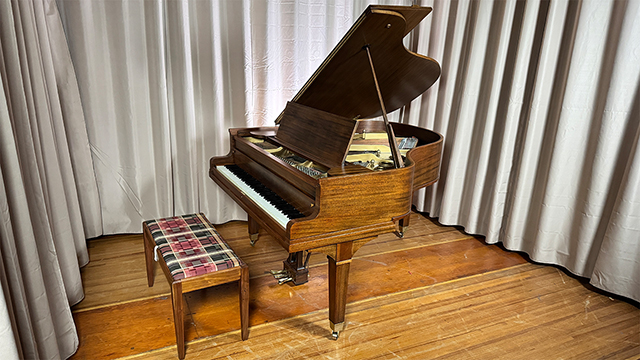
The Mystery of the Piano Fallboard… Will it ever be solved?

To answer this question honestly, the fallboard doesn’t really do anything of major importance on a piano. Its main function is to cover the keys of the piano and prevent them from accumulating dust. But is there more to the fallboard than this simple explanation?

A very common question I get asked from time to time is whether or not there are fallboard injuries and if people should invest their money into a slow close fallboard. On some new pianos, you will find a slow close feature on the fallboard – this is simply a mechanism that brings down the fallboard gradually as opposed to simply dropping.

But is it really necessary? Not really; for two reasons. One is that injury due to a fallboard is rare – it does happen sometimes – but it’s generally not the fault of the player. I’ve never hit a fallboard down simply playing the piano. However, if someone leans on it while you’re trying to play, it can fall and potentially cause injury. Two, the fallboard falling down over the keys will almost never damage the piano. There just isn’t enough force to be a problem.

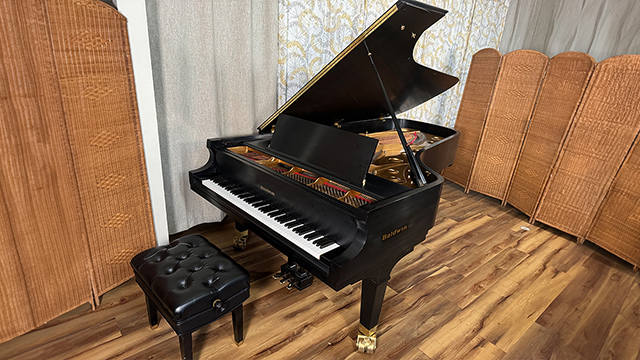
But is the fallboard’s purpose of covering the keys really that important? Surprisingly no; I would actually recommend against it in certain situations. If you have ivory keys you will want to leave the fallboard up. Why? If you leave it down all the time the ivory will become yellow over time. If you leave the fallboard up the keys will continue to be bleached by the sunlight and any light in the room. I virtually never close the fallboard on my Baldwin concert grand.

Keeping the fallboard closed will prevent dust from getting on the keys, but then you will have to dust the fallboard!

It really is interesting when you think about it. A fallboard does not provide anything essential to the piano yet almost all pianos have them. Why is it there? One possible use is to discourage kids from banging on the piano.

One last question I was asked once but actually could not answer is why the fallboard is called a fallboard. And I really don’t know – but my guess would be that it is a board that falls over the keys. If you have any insight into this you can share it here on LivingPianos.com!

Thanks again for joining me, Robert Estrin. Robert@LivingPianos.com (949) 244-3729