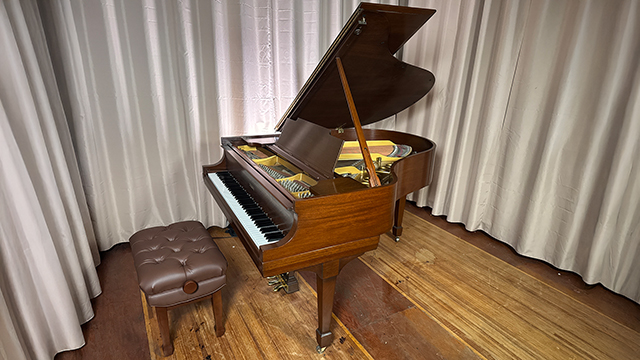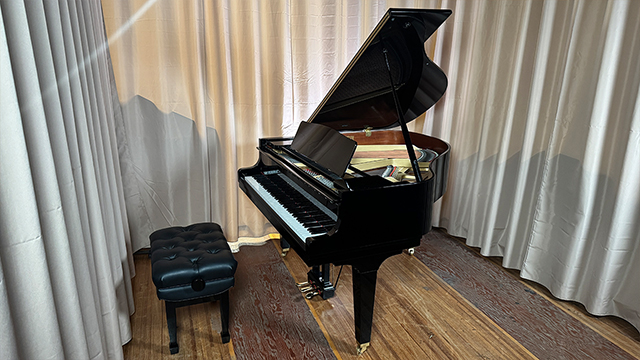


All posts by Robert Estrin

3 Bizarre Piano Mysteries That Will Surprise You!

In this video, we uncover three peculiar design differences between Asian and American pianos that might just leave you scratching your head. From unexpected keyboard heights to puzzling bench sizes, these quirks challenge conventional expectations. Join us as we delve into these intriguing mysteries and seek answers to questions that have baffled pianists worldwide.

Pianos are fascinating instruments, and some design differences can leave even seasoned players scratching their heads. Let’s dive into a few intriguing quirks between Asian and American pianos that might surprise you.

1. Keyboard Height: A Lift in Asian Pianos

Ever struggled to fit your legs comfortably under a piano? Interestingly, Asian pianos often have keyboards set slightly higher off the ground than American models. You’d think there’d be a standard height, right? But no, this variation exists, and the reason remains a bit of a mystery.

2. Bench Heights: The Lowdown

Adding to the puzzle, the benches that come with Asian pianos are generally lower than those paired with American pianos. So, higher keyboards but lower benches—what’s up with that? Considering that people in Asian countries are often of smaller stature compared to Americans and Europeans, this design choice seems counterintuitive.

3. Key Lengths: A Stretchy Situation

Here’s another subtle difference: the keys on Asian pianos are slightly longer than those on American pianos. Pianists with larger hands might find themselves accidentally hitting the fallboard when switching from, say, a Yamaha (an Asian brand) to a Steinway (an American brand). Some older pianos even have shorter keys than the current American standard.

Seeking Your Insights

These quirks—the elevated keyboards, lower benches, and longer keys in Asian pianos—raise some curious questions about piano design standards. Why do these differences exist? If you have any theories or insights, we’d love to hear them! Share your thoughts in the comments below.

At LivingPianos.com, we’re all about exploring the unique aspects of pianos and sharing that journey with you. Thanks for joining us, and we look forward to your input!

—Robert Estrin

For more engaging discussions on all things piano, visit LivingPianos.com.

For premium videos and exclusive content, you can join my Living Pianos Patreon channel! www.Patreon.com/RobertEstrin

Contact me if you are interested in private lessons. I have many resources for you! Robert@LivingPianos.com

Transform Your Piano Practice: Focus on Corrections, Not Mistakes

When practicing the piano, it’s easy to get hung up on mistakes. However, shifting your focus to corrections can make a significant difference. Instead of dwelling on errors, concentrate on what needs to be done right!

Mindset Matters

Our thoughts have a powerful impact on our actions. If you’re constantly worried about messing up during a performance, that anxiety can become a self-fulfilling prophecy. On the other hand, focusing on playing well and enjoying the music can lead to a more confident and successful performance.

Making Corrections

When you hit a wrong note, don’t beat yourself up. Instead, identify the correct note and understand its place in the piece. This approach helps reinforce the right information and prevents the same mistake from happening again.

Beyond the Piano

This way of thinking isn’t just for music; it applies to everyday life too. By focusing on positive actions and outcomes, you can develop better habits and make more constructive choices. Remember: You believe what you say to yourself, so take care to reinforce what you really want with your self-talk

Wrapping Up

Remember, you have control over your thoughts. It’s one of the only true freedoms you have in life. By concentrating on corrections and positive outcomes, you can improve both your piano playing and your life itself.

For premium videos and exclusive content, you can join my Living Pianos Patreon channel! www.Patreon.com/RobertEstrin
Contact me if you are interested in private lessons. We have many resources for you! Robert@LivingPianos.com

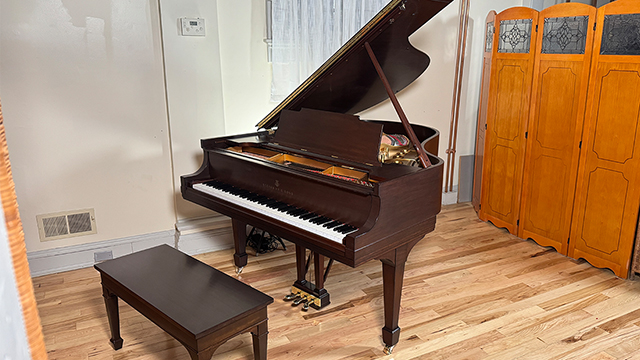
Living Pianos Presents: The Edison Steinway Experience

Own a Piece of History: The Edison Steinway Piano with Authentic Bite Marks

This Black Friday, Living Pianos offers an unparalleled opportunity to acquire the Edison Steinway Piano, a unique instrument bearing the bite marks of Thomas Edison himself. As his hearing declined, Edison would press his teeth into the piano to “hear through my teeth,” experiencing music through vibrations.

Exclusive Experience: Private Concert and Historical Insights

Purchasing this piano grants you more than ownership; it immerses you in a rich narrative of innovation and artistry. Renowned concert pianist Robert Estrin will perform a private concert in your home, showcasing the piano’s exceptional sound. Additionally, Robert Friedman, “The Steinway Hunter,” will share captivating stories about the piano’s history and its journey through time.

Limited-Time Offer: Secure This Rare Instrument Today

This exclusive offer is available for a limited time. To learn more about how you can own this extraordinary piece and arrange for the accompanying experiences, please contact us at Living Pianos. Don’t miss this rare chance to blend history, music, and personal storytelling in your own home.

Click For Price:
Edison Steinway Piano

Restrictions May Apply. Please Contact for Details.

Piano Practice Secrets: The 2 Most Effective Techniques for Rapid Improvement

Effective piano practice hinges on two fundamental pillars: expanding your repertoire and refining your music.

Expanding Your Repertoire

Continually learning new pieces is essential for growth as a pianist. Breaking down music into small sections allows for the absorption of intricate details without feeling overwhelmed. Focusing on short segments with each hand separately, ensuring all nuances are captured and committed to memory, is a productive approach. Combining both hands and gradually connecting these phrases leads to highly effective practice sessions.

Learning new music isn’t just for beginners; even seasoned pianists benefit from this practice. Each new piece broadens musical horizons and enhances technical skills.

Refining Your Music

After learning a piece, refinement is crucial. Regularly revisiting the score, playing slowly and without the pedal, allows for clear hearing of every detail. This practice reinforces memory and ensures accuracy, preventing subtle, unwanted changes that can occur over time.

Practicing without the pedal during this process is important, as it can mask imperfections. Playing without it enables you to hear the music more clearly so you can make necessary adjustments.

Conclusion

Consistently learning new music and diligently refining existing pieces form the foundation of effective piano study. Incorporating technical exercises like scales and arpeggios as well as sight-reading new material is also beneficial. However, focusing on expanding and refining your repertoire leads to significant growth in piano playing.

For premium videos and exclusive content, you can join my Living Pianos Patreon channel! www.Patreon.com/RobertEstrin
Contact me if you are interested in private lessons. I have many resources for you! Robert@LivingPianos.com

Additional Content:
How to recharge your piano playing

How to practice the piano pt 1: Memorizing Music

Which Should You Learn First: Scales or Arpeggios?

When diving into piano playing, a common question pops up: should you start with scales or arpeggios? Both are key to building your skills, but knowing where to begin can make your practice more effective.

What’s the Difference?

Scales: These are sequences of notes moving up or down in a set pattern of whole and half steps. Take the C major scale, for example: C, D, E, F, G, A, B, and back to C. It’s like climbing a musical ladder.

Arpeggios: Think of these as broken chords. Instead of playing all the notes of a chord at once, you play them one after the other. For instance, a C major arpeggio would be C, E, G, and the higher C. It’s like spreading out the notes of a chord.

Why Start with Scales?

Kicking off with scales is a smart move for a few reasons:

Finger Coordination: Scales involve finger crossings, especially the thumb, but over shorter distances than arpeggios. This makes them a great way to get your fingers moving smoothly.

Building Blocks: Scales help you understand key signatures and finger patterns, setting you up for more complex pieces down the road.

Musical Flow: Many songs have scale-like passages. Getting comfortable with scales can make learning new tunes easier.

When to Add Arpeggios

Once you’re feeling good about scales, it’s time to mix in arpeggios. They require bigger finger movements and offer new challenges, helping you further develop your technique.

Practice Tips

Use a Metronome: Start slow, maybe at 60 beats per minute, playing one note per beat. As you get better, you can speed up.

Finger Power: Focus on using your fingers to play, not your arms. This helps with control and precision, especially as you pick up the pace.

Stay Consistent: Even just 5 to 10 minutes a day on scales and arpeggios can make a big difference over time.

In short, starting with scales gives you a solid foundation. Once you’re comfortable, adding arpeggios will round out your skills, making you a more versatile player.

For premium videos and exclusive content, you can join my Living Pianos Patreon channel! www.Patreon.com/RobertEstrin

Contact me if you are interested in private lessons. I have many resources for you! Robert@LivingPianos.com

Why Buying a Piano is Unlike Buying Anything Else

Purchasing a piano is a unique experience, distinct from buying other items. Here’s why:

Longevity and Investment

Unlike appliances or electronics that become obsolete, a well-maintained piano can last generations. This longevity makes selecting the right instrument crucial, considering factors like sound, touch, size, and aesthetics to ensure it complements your space and needs.

Limited Familiarity

Many people have limited experience with pianos, making informed decisions challenging. Unlike common household items, pianos vary significantly, and acoustics can differ between showrooms and your home. It’s essential to seek expert guidance to navigate these variables.

Significant Investment

Pianos are substantial investments, often ranking among the most expensive non-essential purchases. This financial commitment underscores the importance of thorough research and professional advice to ensure a choice that brings lasting satisfaction.

Furniture and Aesthetic Considerations

Beyond being musical instruments, pianos are prominent furniture pieces. Their appearance can enhance or detract from your home’s decor. Consider the piano’s finish, style, and how it fits within your living space to avoid future regret.

Acoustic Variability

A piano’s sound can change based on its environment. A piano that sounds perfect in a showroom may differ in your home due to room size, flooring, and furnishings. Understanding this can help set realistic expectations.

Different Player’s Needs

If multiple household members will use the piano, their preferences and playing styles should influence your choice. Finding a piano that accommodates varying needs ensures it becomes a cherished addition for everyone.

Given these complexities, consulting with experienced professionals can provide valuable insights, helping you select a piano that aligns with your musical aspirations and lifestyle.

For personalized advice, feel free to reach out to me at Robert@LivingPianos.com. With a lifetime surrounded by pianos, I’m here to assist you in making an informed decision.

I’m Robert Estrin, and this is LivingPianos.com, Your Online Piano Store.